

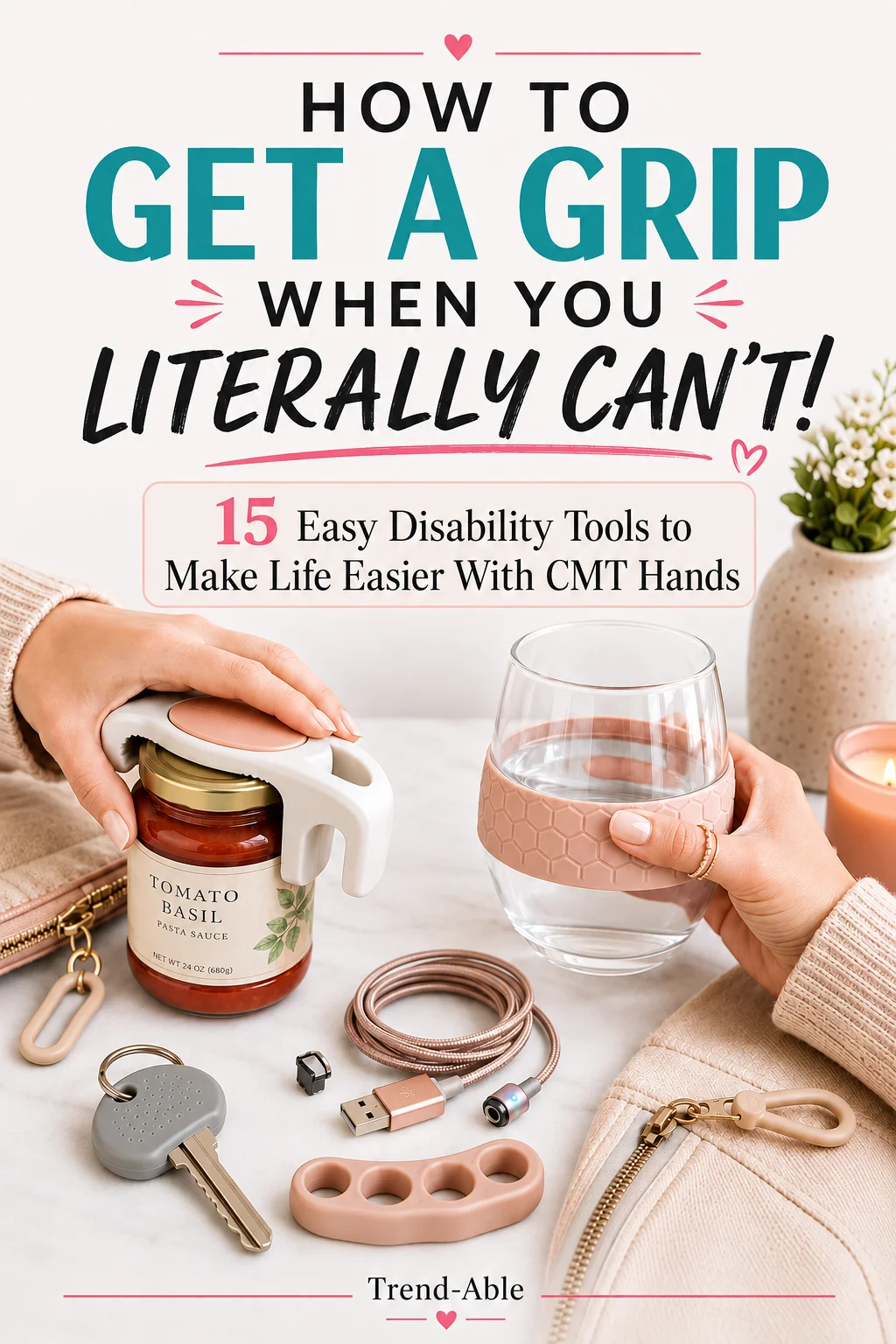
This post was originally published in 2017 and has been updated and republished for 2026. Although my CMT hands may have progressed since I first wrote it, thankfully, the number of tools, gadgets, and everyday products designed to make life easier has increased too.
Required Affiliate Disclosure :
Some of the links in this post are affiliate links, which means if you click through and make a purchase, I may earn a small commission at no extra cost to you. As an Amazon Associate, I earn from qualifying purchases.
I only recommend things I genuinely like, use, or think are worth your time — never anything I wouldn’t share with you personally.
How to Get a Grip When You Literally Can’t: 15 Easy Tools for CMT Hand Weakness
I once had a full-on 15-minute dirty fight with a parking meter. Yes, an actual parking meter.
Now, before anyone points out that it’s 2026 and most parking meters no longer require you to stand on a sidewalk feeding them quarters like it’s 1997 — I know. These days, many have apps, credit-card readers, and tap-to-pay.
Progress!
Except when you have hand weakness, the technology may change, but the basic problem doesn’t always go away. There are still cards to grab and pull out of tiny slots, buttons to push, phones to hold, QR codes to scan, and all kinds of little things that require fingers to pinch, pull, and do what they’re supposed to do.
Mine, oftentimes, do not.
And honestly, what’s wild is that even though we do have more “modern” systems now, a lot of them are still surprisingly unfriendly if you have fine motor weakness.
Touchscreens require precise tapping, card readers time out too fast, apps expect your fingers to swipe and scroll exactly where they’re supposed to, and “child-proof” plastic packaging can be so difficult to open that even people with two “good hands” end up reaching for sharp, dangerous tools.
The good news?
The last year or so has actually brought some genuinely interesting innovation in this space — not just “medical devices,” but mainstream tech and clever assistive design that’s quietly making everyday life a little easier.
Back to My Fight With the Parking Meter
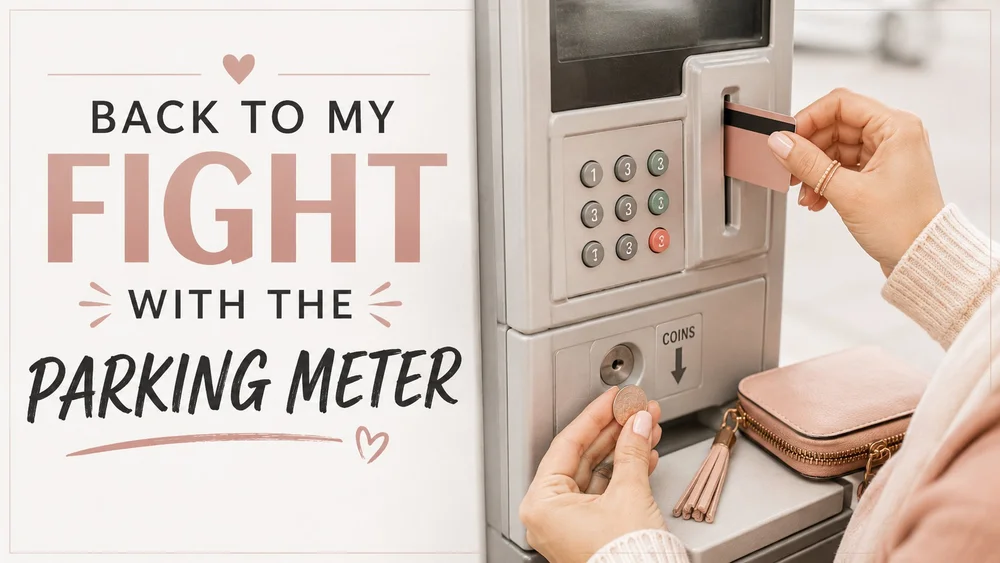
Normally, I wouldn’t have engaged the metal asshole by even parking there. We had had “run-ins” before, and I should have known better.
But I was more than 20 minutes late — not my norm — for a doctor’s appointment and already anxious about it.
It was raining, and the parking garage, which would have been the safer/smarter choice, was two blocks away.
I was relieved to find a parallel parking space directly in front of the medical building and reasoned that I hadn’t had that third cup of morning coffee, so maybe my hands wouldn’t be extra shaky.
The ugly parking meter appeared innocuous. The task at hand was seemingly simple:
- Dig through purse and car to find an hour’s worth of
- Use fingers and pincher grip to pick up said
- Carry change from car to ugly metal parking
- Use fingers — and luck — to insert coins into the
It was like a scene from America’s Funniest Home Videos where somebody keeps trying to blow out those never-ending birthday candles while everyone stands around laughing.
Except nobody was laughing.
Well, maybe the parking meter.
I stood on the sidewalk attempting to feed coin after coin into that thing. Each one I tried to put in immediately fell to the ground.
After about five minutes and more than 15 coins, I managed to get exactly ONE quarter into the meter, giving me approximately 10 glorious minutes of legal parking.
The rest of my money was scattered all over the sidewalk.
Eventually, I said, “F-ck it,” and went to my appointment, risking the $10 parking ticket. At that point, the ticket would have been cheaper than therapy.
It’s Never Just the Parking Meter
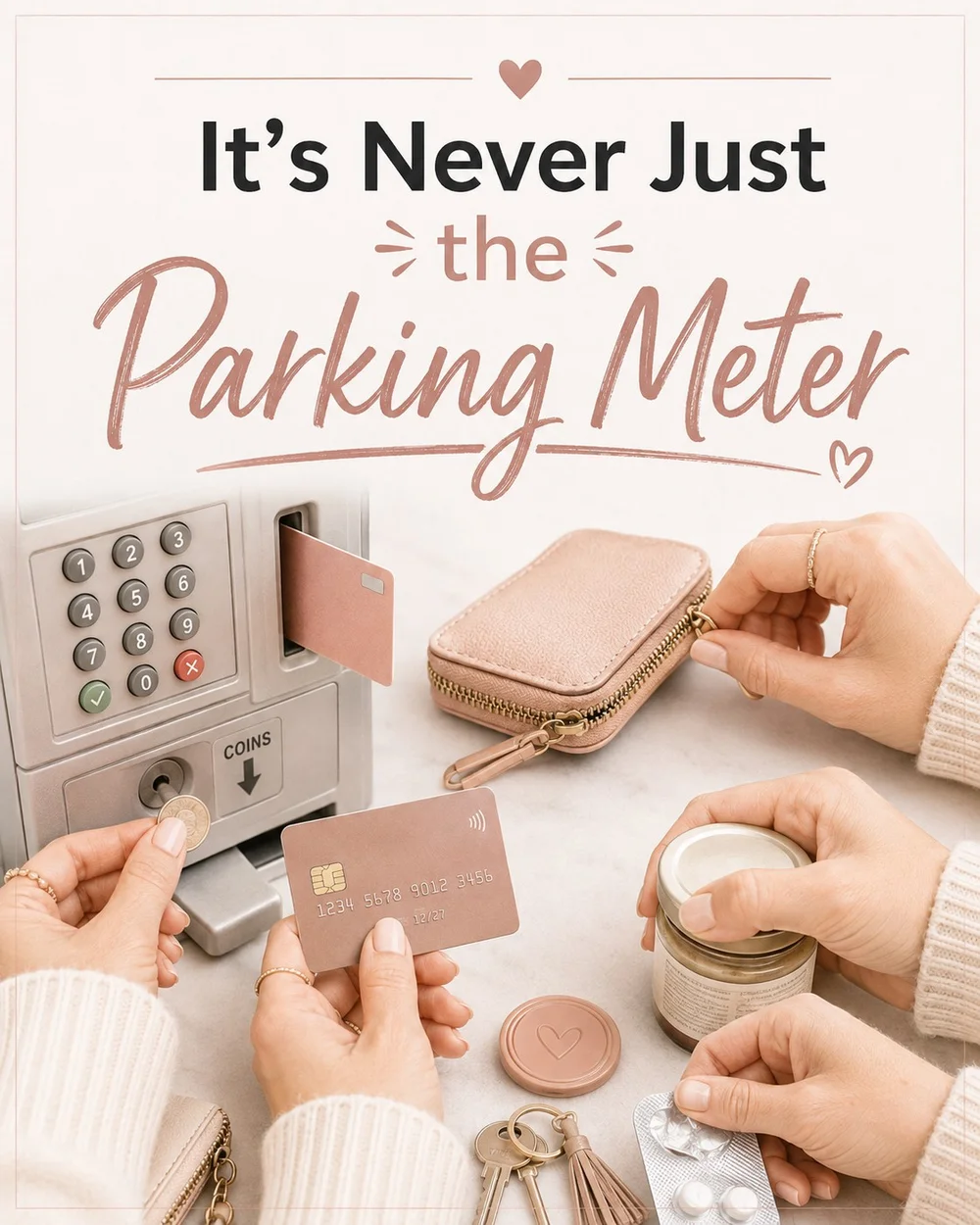
For someone without hand problems, inserting a coin, pulling out a credit card, or opening a package isn’t worth even talking about.
You just…do it.
But when your hands don’t function properly, you become acutely aware of every freaking thing in the world that requires the ability to grab, pinch, twist, push, or pull.
Credit cards Zippers.
Keys.
Jar lids.
Water bottles.
Those plastic seals underneath the water bottle lids. Pull tabs.
Tiny jewelry clasps.
Medicine bottles.
Packages designed by someone who apparently never wants you to actually get the product out.
And while technology has eliminated many of those old coin-operated meters, it has created some new challenges.
Tap your card here.
Insert it there.
Remove quickly. Scan this QR code.
Hold your phone at exactly this angle. No, not like that.
TRY AGAIN.
Technology is wonderful. 😂
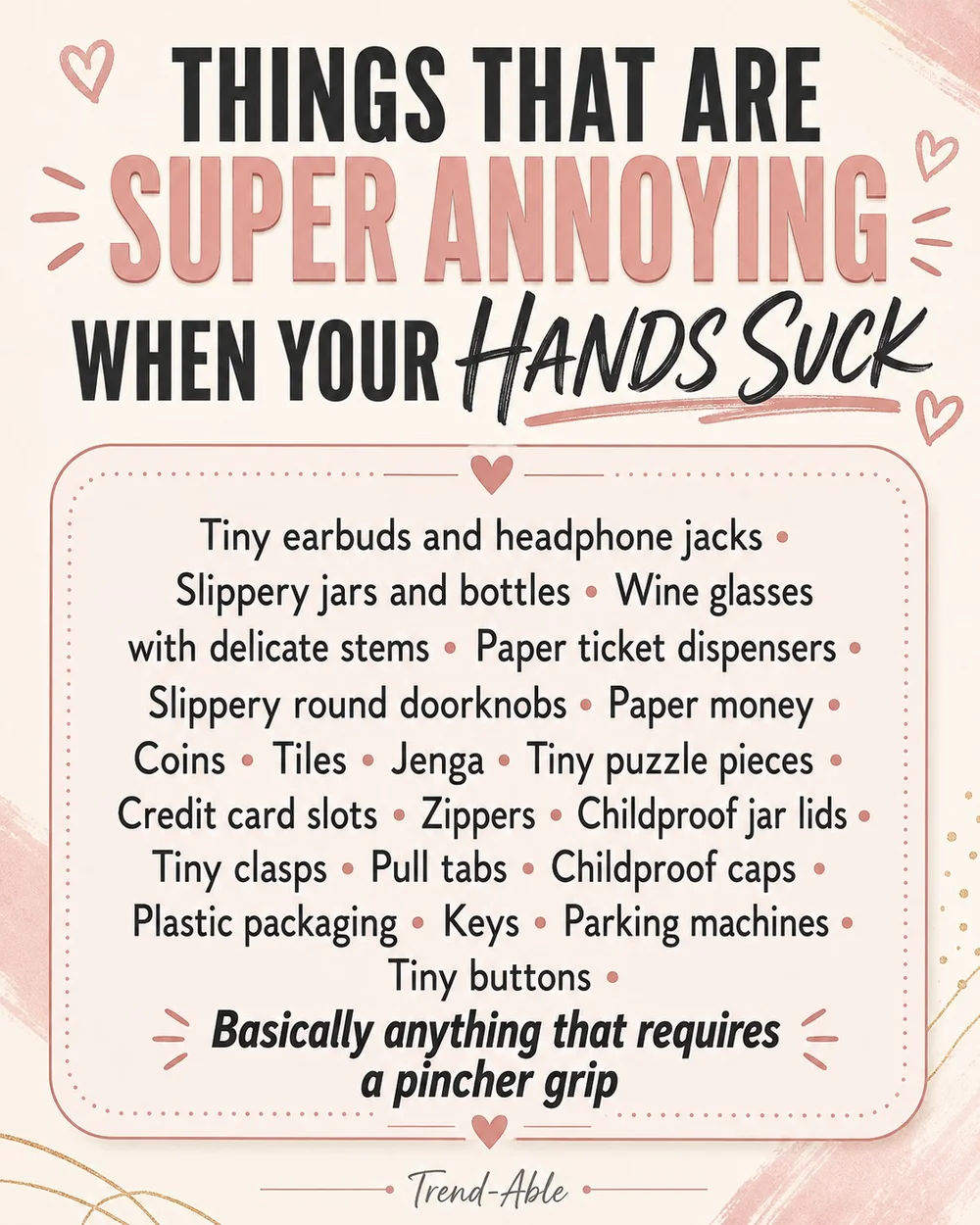
And here’s the thing: none of these are BIG things.
Nobody wakes up worried about whether they’ll be able to get a credit card out of a machine, pick a coin up off the floor, open a bag of chips, or fasten a tiny clasp.
But when your hands are weak, these stupid little things can become ridiculously frustrating. And they’re everywhere. Half the time, I don’t need some fancy adaptive solution—I just need someone to stop designing EVERYTHING around the assumption that we all have a strong pincher grip. 😂
One thing I’ve gotten much better at over the years, though, is finding little tools and hacks that let me save my hand strength for things I actually care about.
15 Clever Little Tools That Help My Weak CMT Fingers Get a Grip on Everyday Tasks
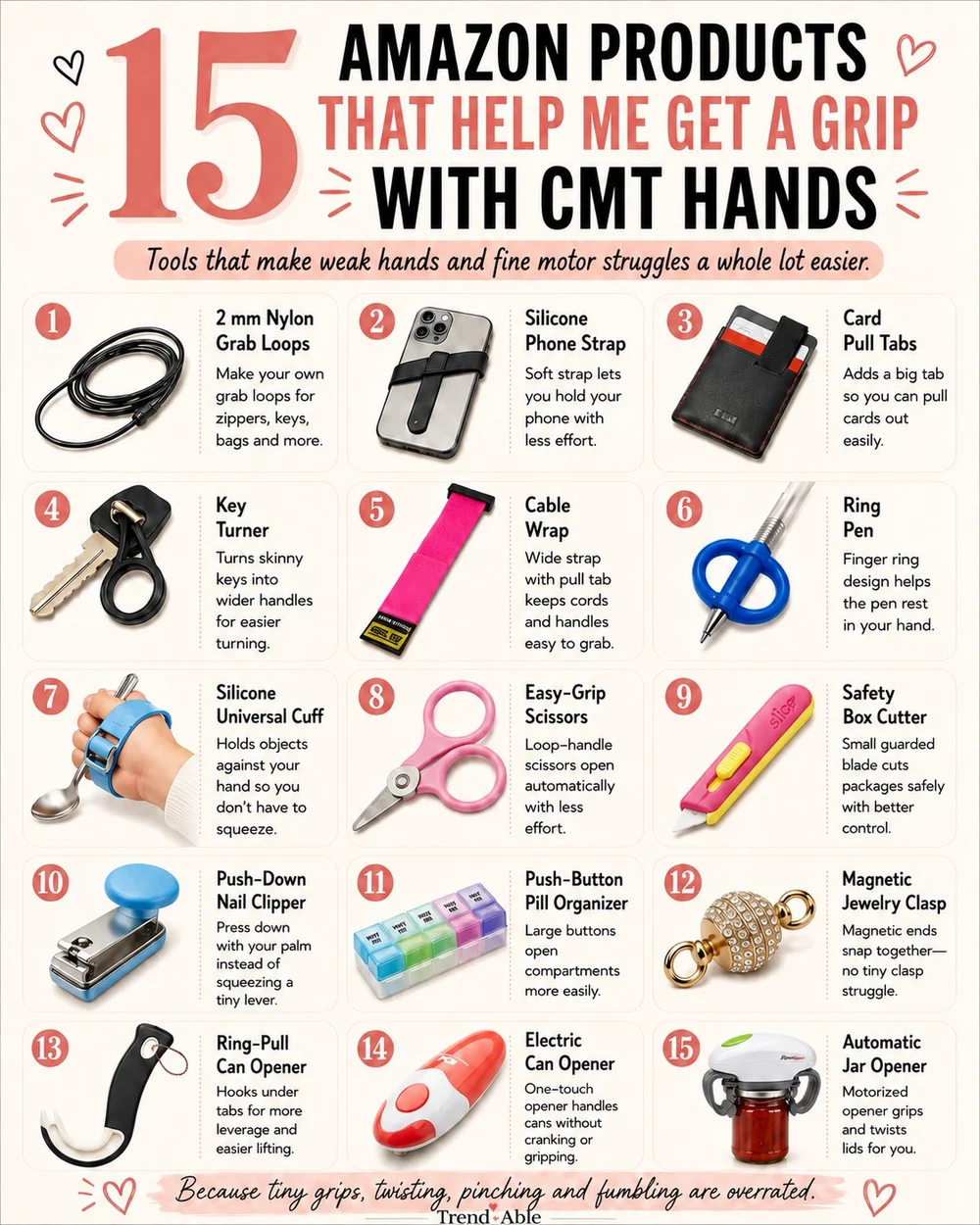
Living with CMT has taught me that the best tools for weak hands usually do one of five things: make something bigger, add a loop, create leverage, stop it from slipping, or let a tiny motor do the work. None of these products makes my hands stronger. They simply stop expecting two unreliable fingertips to handle every single task.
Some were designed as adaptive tools, while others are ordinary products that happen to work brilliantly when your pincher grip has left the building.
Here are 15 products that make everyday tasks easier when your hands need a little help.
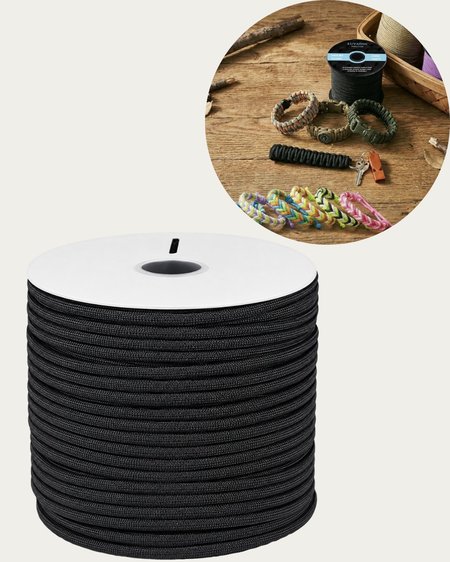
Sometimes the best disability tool isn’t a fancy gadget at all—it’s a roll of nylon cord. Two-millimeter paracord is thick enough to feel and hook around a finger, but still thin enough to fit through most zipper holes. I would skip elastic cord because it stretches before the zipper moves, which somehow makes the whole thing even more annoying.
Cut the cord into roughly 10- to 12-inch pieces, tie each one into a circle, and loop it through a zipper tab. Make the finished loop large enough to fit several fingers—or even part of your hand—through it. Add them to jackets, boots, luggage, purses, backpacks, keys, remotes, and tiny drawer pulls. If tying all those knots is clearly not happening with
your hands, recruit someone with “good hands” to make a batch. You’re essentially giving every annoying little object its own accessible handle.
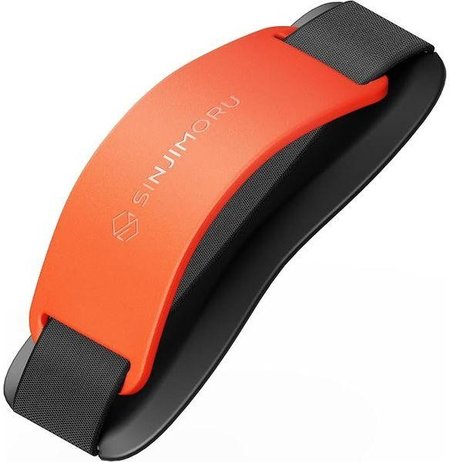
Phones keep getting bigger, heavier, and more slippery—as if dropping one on your face while lying in bed wasn’t already humiliating enough. The Sinjimoru Sinji Grip adds a soft, stretchy silicone band to the back of your phone, giving you space to slide several fingers underneath instead of squeezing the edges or asking one finger to support the phone through a tiny metal ring.
The flexible band helps keep the phone resting against your hand even when your grip relaxes, and it folds into a kickstand for hands-free viewing. It attaches to the phone or case with adhesive, so I would put it on a smooth, hard case and have someone help position it if needed. Once it’s attached, there is nothing to open, pinch, or adjust every time you pick up your phone—which is exactly the point.
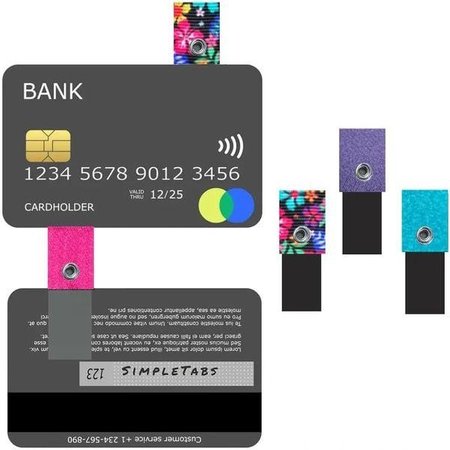
Pulling a card from a tight wallet slot is one of those ridiculously small tasks that can become a full production when you don’t have a reliable pincher grip. SimpleTabs stick to the back of your cards and leave a larger fabric tab extending above the wallet slot.
If the tab itself is still difficult to grab, thread a short piece of the 2 mm nylon paracord through its metal grommet and tie it into a loop. Now you can hook several fingers—or even part of your hand—through the cord instead of pinching anything. Add them to frequently used credit cards, identification cards, hotel keys, or transit cards. Just remove a dangling cord before putting the card into an ATM, gas pump, or any machine that pulls the entire card inside. We’re trying to make life easier, not donate a credit card to a machine.
A standard key is basically a tiny piece of metal asking you to pinch and twist at the same time—two things my hands are not always interested in doing. The Dext Keywing snaps onto many ordinary flat keys and turns that skinny little key into a much wider handle. It gives you more leverage and lets your thumb, the side of a finger, or more of your hand participate.
It’s still useful for mailboxes, storage units, older doors, and all the random locks that have not yet joined us in 2026. But for your own home, the better long-term solution may be eliminating the key completely.
A Schlage Encode Smart WiFi Deadbolt lets you unlock the door with a keypad or phone and can also connect directly to Alexa or Google Home for voice control—no separate smart-home hub required. It can automatically relock the door and lets you create individual entry codes for family members, housekeepers, or caregivers. Have someone with “good hands” install and set it up once, and then you can stop pinching, turning, dropping, and searching the bottom of your purse for a house key. Keep the physical backup key fitted with a Keywing, though, because technology occasionally likes to remind us who is really in charge
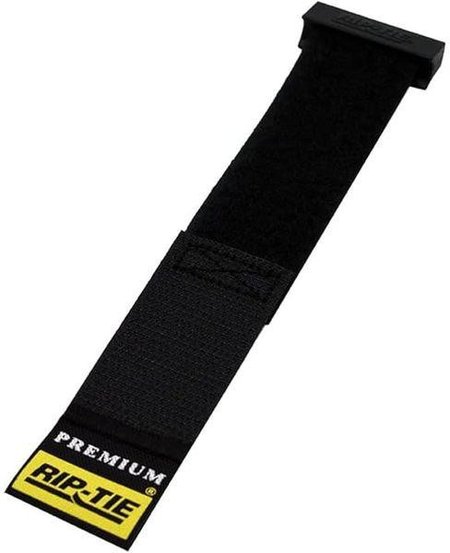
The Rip-Tie looks like a really good cord organizer—and it is—but what makes it especially helpful for weak hands is its wide strap and actual pull tab. Instead of picking apart two flat layers of Velcro with fingertips that don’t pinch, you have something substantial to grab or hook around a finger. It also stays attached, so it doesn’t immediately fall on the floor and disappear.
Use it for chargers, hair tools, and computer cords, but don’t stop there. Wrap one around several shopping-bag handles to create one wider handle, keep resistance bands or a rolled yoga mat together, or attach one through an existing loop to make a larger, softer grab point.
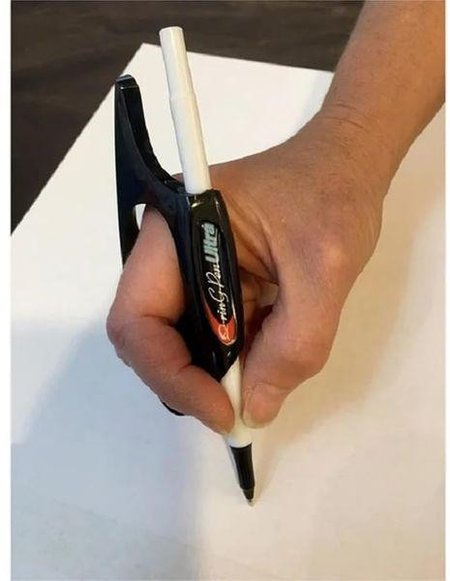
A traditional pen expects you to hold a skinny barrel between three fingers and maintain exactly the right amount of pressure. Very demanding for something that will probably be used to write “milk” on a grocery list.
The RinG-Pen has a center ring that a finger slides through, allowing the pen to rest against the hand instead of requiring a constant tight pinch. It can help with writing, drawing, and signing forms, and the basic ring idea may also be useful for certain styluses or makeup tasks. It looks a little unusual, but so does the death grip I otherwise use to hold a pen.
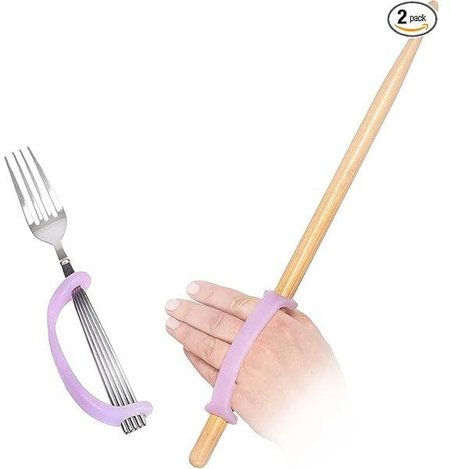
The EazyHold is a soft silicone strap that holds an object against your hand so your fingers don’t have to maintain the entire grip. Slide a utensil, toothbrush, pen, makeup brush, razor, or similar handle through the openings, place your hand underneath and let the strap help keep everything together.
It comes in several sizes, and that matters because the best fit depends on both your hand and the object you’re trying to hold. A multi-size pack is a smart place to start. This is especially helpful on days when you can move your hand but cannot keep squeezing something for more than a few seconds.
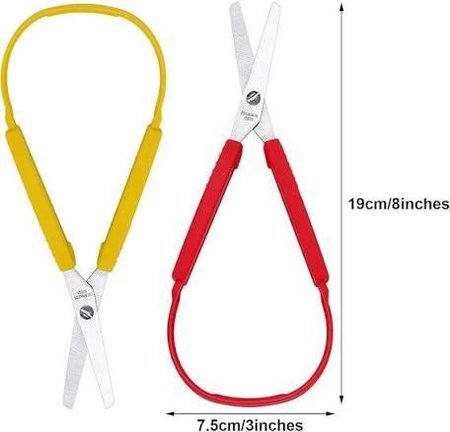
Regular scissors require you to keep your fingers inside tiny holes while repeatedly pinching, opening and closing the blades. These adaptive loop scissors replace those frustrating finger holes with large handles you can squeeze using your fingers, palm—or even both hands if needed.
The spring-action design automatically reopens the scissors after each cut, so your hand only has to manage the squeezing part. They’re especially helpful when weak CMT fingers, limited dexterity, or poor coordination make ordinary scissors difficult to control. This set includes six, so you can keep them anywhere scissors always seem to disappear.
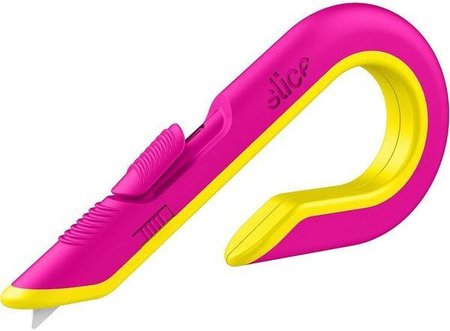
Plastic packaging is apparently designed by people who hate humanity. The Slice Safety Cutter has a tiny ceramic blade that extends just far enough to cut through box tape, shrink wrap, food packages, and many of those awful plastic clamshells—without handing you a giant exposed blade.
I like this original flat version because there’s no button to hold down or little slider to operate. Its wide, rubberized body is much easier to control than a skinny utility knife, and the small blade is designed to be safer around fingers. It even has a key-ring hole, so you can add one of those paracord grab loops if holding the cutter itself is difficult. Much better than stabbing at an Amazon package with scissors and hoping everyone survives.
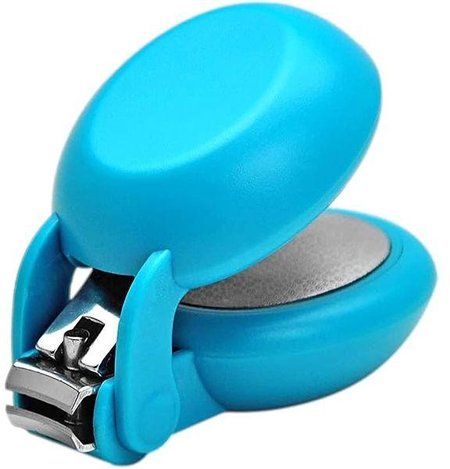
Traditional nail clippers require you to hold a tiny metal object, position it precisely and squeeze two little levers together. The HARAC clipper sits on a table and operates when you press down on its large lever.
Depending on your movement and strength, you may be able to press it with your palm, the side of your hand, your forearm, or even your elbow. It’s a smart example of changing the task completely instead of merely making the same impossible little lever slightly larger.
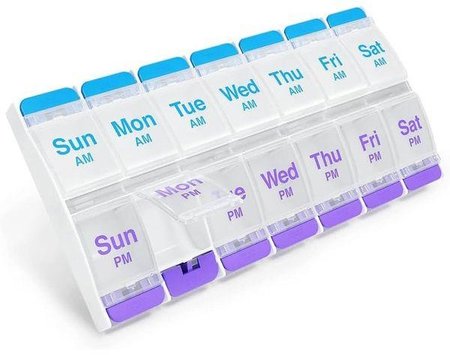
Pill organizers are supposed to make life easier, yet many have tiny plastic lids that must be pried open with a fingernail. The Ezy Dose version uses large push buttons that pop the compartments open.
The buttons provide a much bigger target and can be pressed with a finger, knuckle or part of the hand. The compartments are also roomy and clearly labeled. One important note: the easy-open design is not child-resistant, so it needs to be stored safely away from children or anyone who might accidentally get into it.
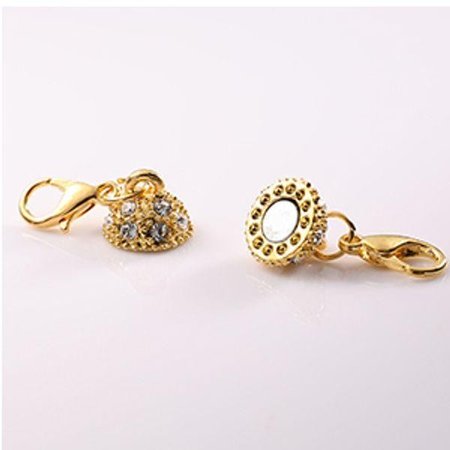
Lobster clasps are ridiculous. They require you to locate a microscopic lever, pinch it open, hold it open, and somehow connect both ends behind your neck. The 10 mm rhinestone ball on these magnetic converters is substantially larger than the tiny 4.4 mm versions, giving you an actual surface to feel, hold, and slide apart.
These converters come with lobster clasps already attached to both ends. Someone with good hands may need to connect one to your necklace initially, but after that, the two magnetic halves simply snap together. To remove the necklace, grasp the larger textured ball and slide the halves sideways instead of pulling them straight apart.
They come in both gold and silver tones, so you can add them to several necklaces. No, they aren’t solid 14K gold—but a beautiful 14K clasp you still cannot grasp is not especially helpful.
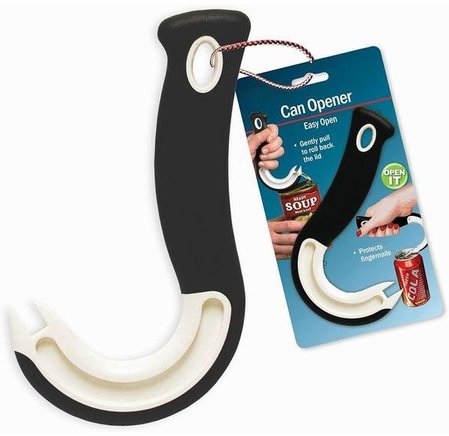
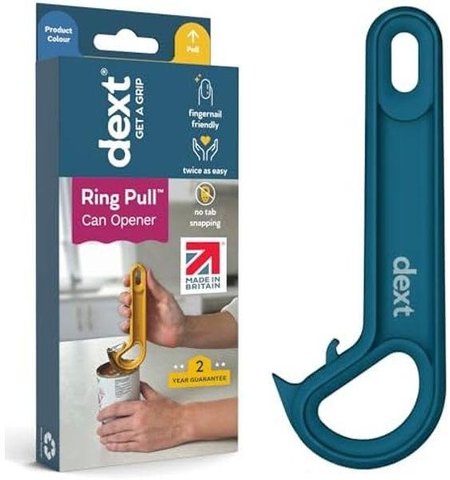
Those little metal tabs on soda, soup, tuna, and pet-food cans seem specifically designed to test your fingernails and pincher grip. The Jokari opener hooks underneath the tab and gives you a larger handle and more leverage for lifting it.
You still provide the movement, but you no longer have to wedge a fingertip under the metal tab and hope your nail survives. Keep one in the kitchen and another with your travel or picnic supplies. Apparently canned sparkling water tastes better when you haven’t had to fight it first.
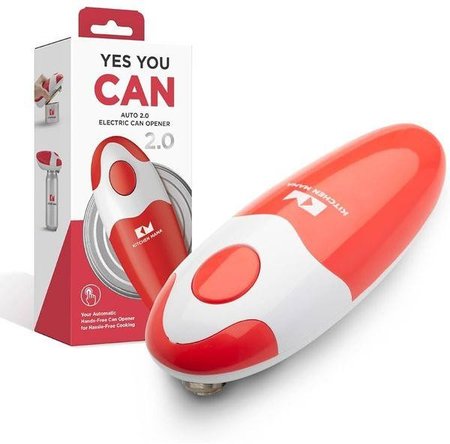
Who decided that opening a can should require squeezing two handles together, holding them in exactly the right position, and turning a tiny knob at the same time?
Obviously, someone with two really good hands. Mine often do not have enough strength for that nonsense.
Place the Kitchen Mama on top of the can, press the large button, and let it travel around the lid. Press again when it has completed the circle, and it leaves a smooth-edged lid that lifts away. There’s no gripping, cranking, or continuously squeezing two handles together. I have nothing to prove to a can of beans.
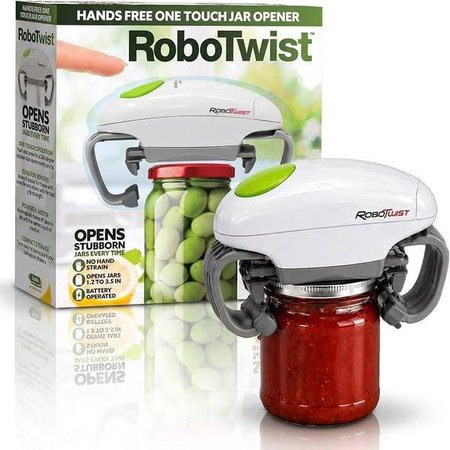
Opening a jar normally requires one hand to stabilize the slippery container while the other grips and forcefully twists the lid—basically a CMT obstacle course. The RoboTwist sits on top of many common jar lids and does the gripping and twisting for you.
Position it, press the button, and its arms automatically adjust around the jar and lid. The motor then twists the lid loose.
Sometimes You Just Need a Workaround
Having fingers that don’t work the way they should can be frustrating and humbling. There are times when I feel like a small, impatient child trying to accomplish a milestone everyone else mastered years ago.
And because my disability isn’t always obvious, I can’t expect people to be mind-readers and automatically know when I need help.
But I also don’t have to give my power away to parking meters, jars, zippers, or any other stupid inanimate object.
Sometimes I ask for help. Sometimes I use a tool.
Sometimes I take the extra few steps and choose the easier option. And sometimes I say “f-ck it” and risk the parking ticket.
When you live with a disability, you get very good at thinking outside the box, improvising, and figuring out another way.
What everyday task drives YOUR hands crazy? And have you found a gadget or ridiculous little hack that makes it easier?
Please share it. Your hack might be exactly what another perfectly imperfect friend needs.
You can shop all of our favorite products by sliding through and clicking on the images below:
Xo
Lainie
I haved used a Jakari ring-pull opener for many years, way before I started having ha d problems this year. I use it almost ever day. You didn’t mention it, but a square of rubber shelf liner is also handy for opening jars and bottles. Two of them works even better.
Totally with you on the no attendant garages. Love the “remove card quickly”…takes two hands and still might not happen. I spent too much time arguing with the jerk on the other end of the CALL button who could not make sense of my explanation as to why I couldn’t do it.
If you are in the US and have a disabled parking license plate or placard, you don’t need to pay meters.
Thanks for this! I’ve found picking up even dish soap to cause pain so I use a hand pump from an old soap. I also drop items… 5lb bag of sugar trying to refill the sugar bowl for coffee.
Hi Karen,
I love your email (I won’t announce it) and it first thought it might be spam…maybe it is and your just that good ?. Hand pumps are our friends for sure. Ouch on the sugar…maybe switch to Stevia ?. It’s lighter …
I can picture you dropping the change and laughing to yourself! This is a great reminder to those of us with working hands…to appreciate them!
Love that you read this & love you
Yay, Lainie! This post hit the nail on the head in so many ways (probably two hands on the ? hammer and someone else to hold the nail?). Anyway, I want to share a cool idea I got from someone else re: getting the cards in/out of a reader: put a small hole on the edge of the card and add a small loop of fishing line that can then be used to pull the card out of those evil readers “quickly”. Pretty smart, right? Keep up the GREAT work on this blog, Lainie! I’m def a fan?
Love that. I am for sure gonna share.
Very true! Same with filling up the gas and tha gas station pump has a swipe credit card ,third try gets locked .We need to let go the anger and accept the limitations by asking for help if possible and laugh ?. Can be worse!
By the way kudos for this excellent blog! ?❤️
Thank you ??